What are the best modern concrete flooring solutions for business spaces?
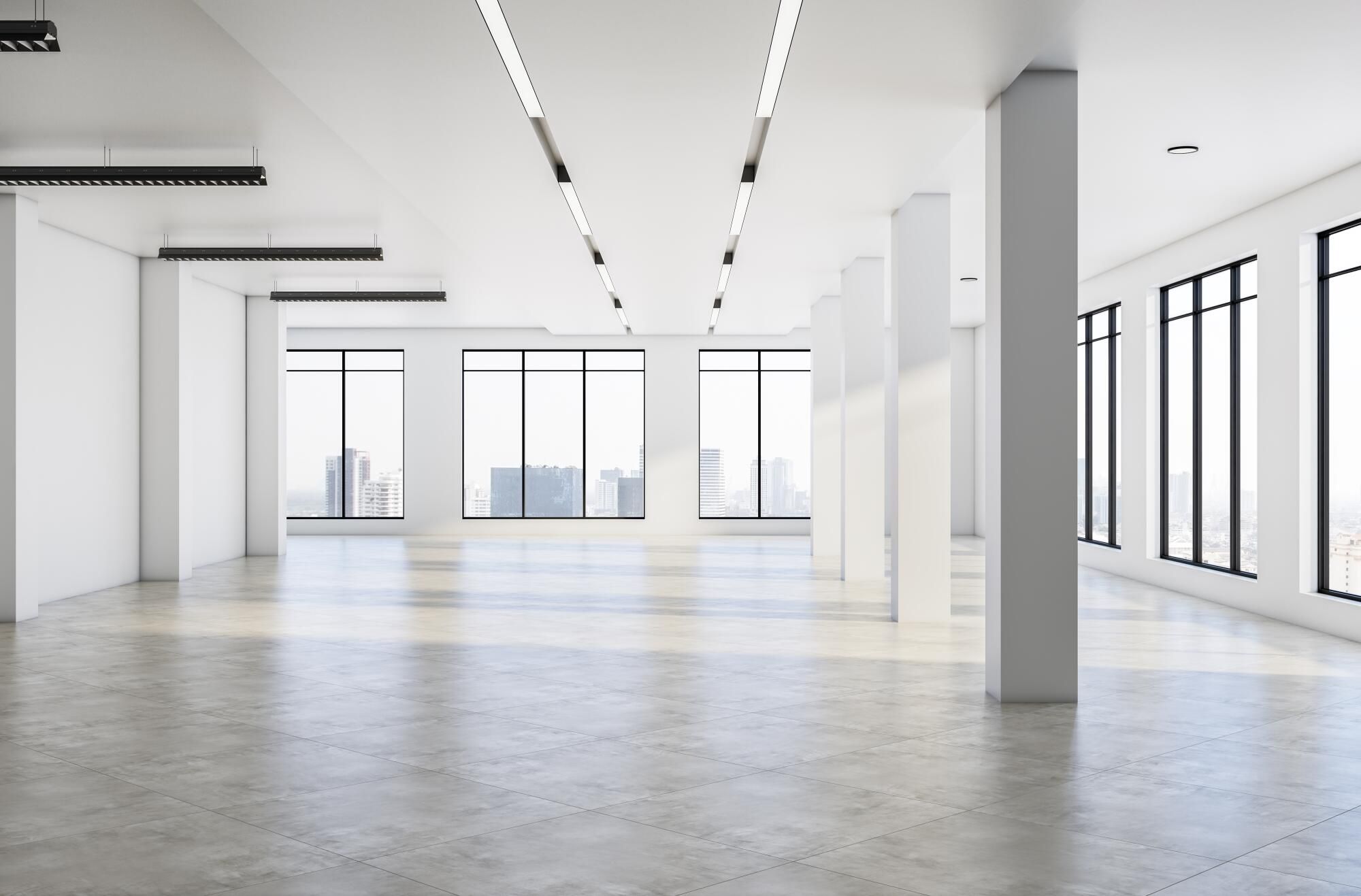
The best modern concrete flooring solutions for business spaces are polished concrete, epoxy or polyaspartic coatings, and stained or dyed decorative concrete. Concrete flooring holds up for years with little upkeep, and the right pick depends on traffic, chemical exposure, and design goals.
Floors carry real weight in a renovation plan. In 2024, falls, slips, and trips caused 479,480 workplace injuries with days away from work across U.S. private industry, per the Bureau of Labor Statistics. For anyone renovating a facility, that’s proof flooring is a safety call as much as a design one, and the right surface can carry your business for a decade or more.
Which Are the Top Concrete Flooring Options for Commercial Spaces?
Business owners usually pick from three main concrete flooring types for a renovation. Each option balances durability, style, and upkeep differently, and the best pick depends on how you use the space.
Polished Concrete
Polished concrete typically comes from grinding an existing slab with diamond pads, then sealing it with a hardening treatment. This process gives offices, showrooms, and stores a smooth, modern look that lasts for decades with basic dust mopping.
Polished concrete still comes with a few limits: acidic spills can etch the surface, and wet spots can turn slippery.
Epoxy and Polyaspartic Resinous Floors
Epoxy and polyaspartic floors use a primer, one or more coats, and a tough top layer over a prepared slab. Commercial floor preparation often includes surface coating removal, and crews sometimes use propane floor scrapers before the new coating goes down. These floors resist oil, chemicals, and heavy traffic well, making them a solid pick for kitchens, labs, and auto shops.
Stained, Dyed, and Scored Decorative Concrete
Stained and dyed concrete draws its color from dyes that actually soak into the slab, and installers add scoring or stenciling for pattern. This finish gives hotels, boutiques, and offices a custom look that can mimic stone or tile at a lower cost.
Color results can vary a bit depending on the slab itself, so a skilled installer makes a real difference.
Which Concrete Flooring Type Fits Your Business Needs?
Picking the right floor starts with a look at how you use the space each day. A warehouse focused on industrial concrete maintenance clearly needs something different than a small boutique.
Some factors worth weighing before you decide:
- Daily foot and equipment traffic in the space
- Exposure to chemicals, oil, or frequent washdowns
- Whether the space needs warehouse floor solutions or a polished look
How Much Does Commercial Concrete Flooring Cost?
Cost varies by flooring type, slab condition, and how detailed the finish gets. Rough price ranges per square foot include:
- Polished concrete, about three to ten dollars
- Stained or dyed concrete, about three to eight dollars
- Epoxy or polyaspartic coatings, about five to thirteen dollars
Choosing the Right Fit for Your Facility
Polished concrete, epoxy and polyaspartic coatings, and stained decorative finishes each solve a different problem, from chemical exposure to brand-forward retail design. Concrete flooring rewards facilities that match the finish to their traffic, budget, and maintenance capacity, often blending options across zones in the same building. A thoughtful renovation treats the floor as a long-term investment that can lower costs and upkeep for years to come.
Want more insights like this? Browse the rest of our site.