Athlete injury recovery: Building resilience after setback
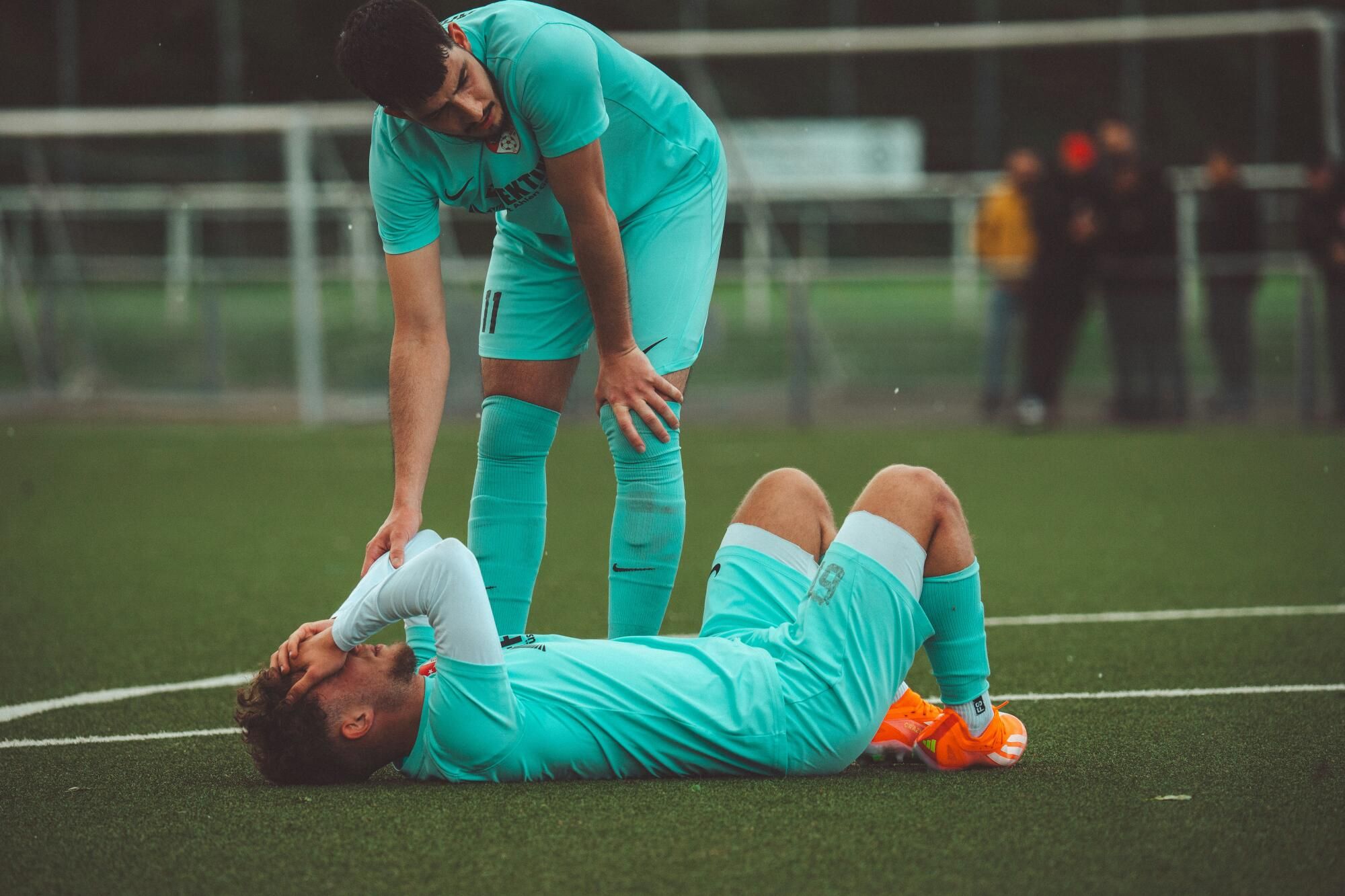
The steps to resilience during athlete injury recovery are accepting the emotional impact and focusing on controllable recovery goals. You should also maintain a growth-oriented mindset and build confidence during the return-to-play process.
According to Johns Hopkins Medicine, there are over 3.5 million sports injuries per year. The most common injuries are sprains and strains, but even these can require hard recovery periods.
Having to go through athlete injury recovery can make your confidence waver, but there are steps you can take to build resilience.
Accept the Emotional Impact of the Injury
Recovering from an injury takes more than healing physically; it needs mental resilience for athletes, too. Many experience frustration, disappointment, anxiety, or a loss of identity when they can’t train or compete. Acknowledging these emotions is an important part of building resilience.
Give yourself permission to process the setback, as this can help reduce stress and maintain a healthier mindset throughout recovery. Speaking with others can provide valuable support and perspective, too.
Should You Focus on Controllable Recovery Goals?
A serious injury can make long-term objectives feel distant, but one of the most effective injury recovery strategies is to break the process into smaller, achievable goals.
Instead of focusing solely on returning to competition, concentrate on milestones, such as:
- Improving range of motion
- Completing sports rehabilitation exercises
- Regaining strength
You can set real goals by doing things like reading this complete guide to physical therapy. This can help you stay engaged and committed to your treatment plans. Small victories can create the momentum needed to sustain a positive outlook during recovery.
How Can You Maintain a Growth-Oriented Mindset?
You can build resilience by viewing setbacks as opportunities for growth rather than permanent failures. Injuries can disrupt training schedules and competitive plans, of course, but they can also provide you with time to focus on developing new skills and building mental endurance.
You can also use the recovery period to:
- Improve your understanding of nutrition
- Study game strategy
- Enhance leadership abilities
- Work on areas of performance that don’t require full physical participation
Having a growth mindset lets you focus on learning and improvement instead of dwelling on your limitations. This perspective can transform a difficult experience into a valuable period of personal and athletic development.
Build Confidence During the Return-to-Play Process
An athlete’s comeback can bring concerns about performance and the possibility of re-injury. This means that building resilience during this stage requires patience and trust in the recovery process.
Rather than expect immediate results, you should:
- Follow medical guidance
- Progress gradually
- Celebrate each step forward
It’s also important to recognize that regaining peak performance may take longer than physical healing alone. If you focus on steady improvement and maintain realistic expectations, you can rebuild trust in your abilities and approach competition with greater confidence and resilience.
Take It Easy for Your Athlete Injury Recovery
It’s understandable that you’d want to get back out as soon as you can, but you need to take athlete injury recovery slowly. If you rush the process, you may re-injure yourself, and that can have detrimental effects on both your physical and mental health.
Click through our other pages for more informative content.


